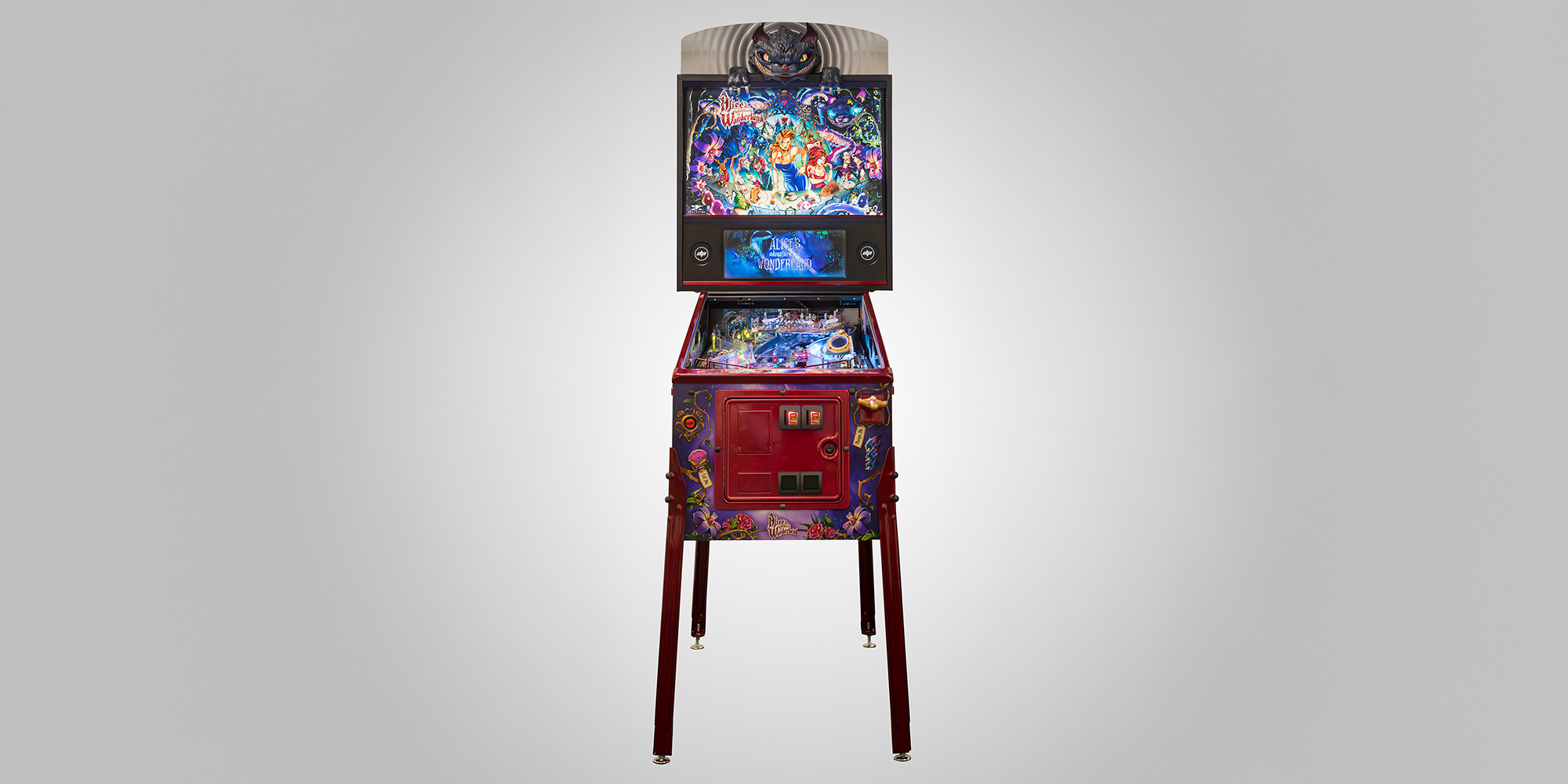
Dutch Pinball: Pinball toppers made using 3D-printed casting moulds
A Dutch Pinball machine is more than just a game: it’s a collector’s item packed with intricate details. The Dutch company gained worldwide recognition with The Big Lebowski Pinball and creates machines cherished by collectors across the globe. For these pinball machines, we developed and produced exclusive, custom-made toppers: the decorative centrepieces that sit on top of the machines.
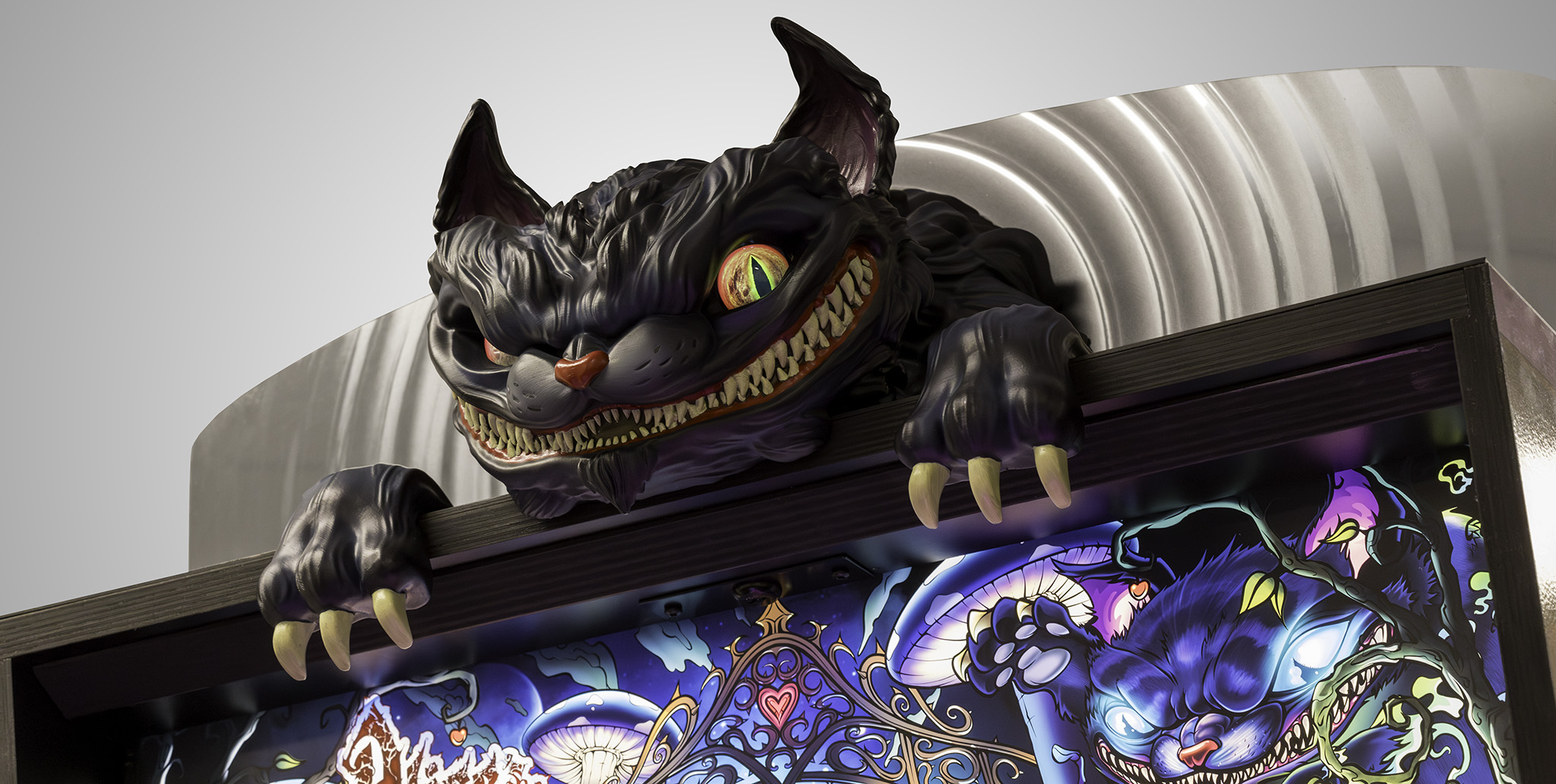
The challenge: repeatable production without compromising on detail
A topper is the first thing that catches your eye when pinball machines are lined up side by side. For collectors, it’s the ultimate finishing touch. Every topper therefore needs to be packed with intricate details that do justice to the game’s original artwork.
At the same time, producing multiple identical pieces requires consistency and efficiency. Each topper must be an exact replica, without the lengthy process of traditional mould-making slowing down production. The challenge was clear: how could we significantly speed up the process without compromising on quality?
The perfect combination: 3D-printed casting moulds and silicone moulds
We found the answer in an innovative production method that combines 3D-printed casting moulds with silicone moulds. The 3D-printed moulds gave us speed and design freedom, while the silicone moulds delivered the exceptional level of detail our model-making team is known for.
By combining the strengths of both techniques, we significantly accelerated the production process while maintaining precision and craftsmanship in every component. Each topper was then finished by hand, ensuring that its colours and textures perfectly complemented the pinball machine beneath it.
What this could mean for your product
This approach goes far beyond pinball machines. Wherever detailed, consistent production is essential, from merchandise and display pieces to decorative components, combining 3D printing with traditional mould-making offers greater speed and flexibility than conventional methods.
Curious about what this approach could mean for your product? Get in touch with us.